







Working with us
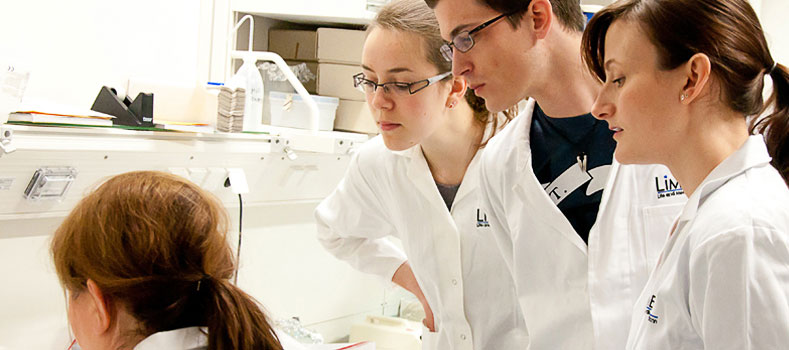
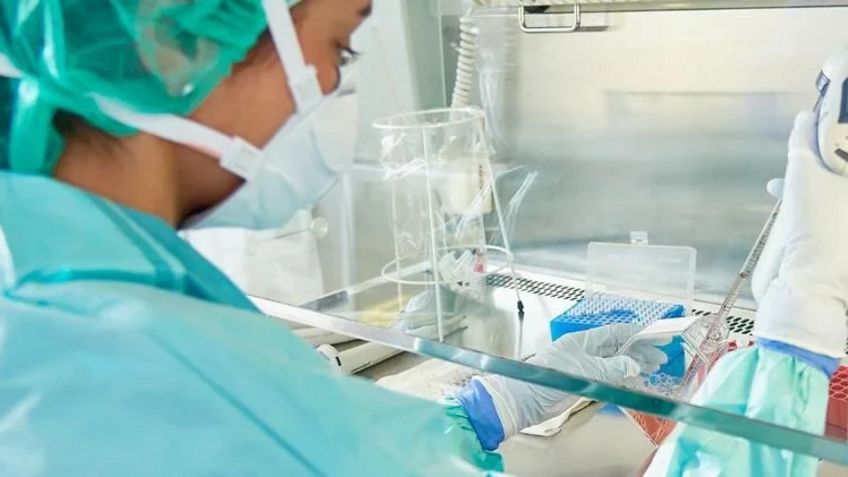
Working with us means joining a research institute within the University of Bonn that is dedicated to the promotion of talented young researchers. It means the opportunity to conduct cutting-edge research in a multidisciplinary, resource-rich environment where people come together to collaborate, share ideas and inspire each other's research aspirations.
Current job vacancies
14.01.2026
The University of Bonn is an international research university with a wide education and research profile. With a 200-year history, approximately 31,500 students, more than 6,000 staff, and an excellent reputation at home and abroad, the University of Bonn is one of the most important universities in Germany and is recognized as a university of excellence.
The research group of Prof. Günter Mayer at the Life and Medical Sciences Institute (LIMES) of the Faculty of Mathematics and Natural Sciences of the University of Bonn is inviting applications for a DFG-funded PhD student position (m/f/d) from the earliest possible date.
Project description
Complexes consisting of aptamers, regulatory RNA molecules (e.g. siRNAs), and photoreceptor proteins enable light-controlled regulation of gene expression – this is optoribogenetics. The aptamer binds to the light-activated form of the photoreceptor and induces conformational changes in the regulatory RNA, thereby modulating gene expression [Weber et al. Nat Chem Biol 2019; Renzl et al. Angew Chem 2020; Pietruschka et al. Adv Sci 2024]. The DFG-funded project is conducted in close collaboration with Dr. Manuel Etzkorn (www.etzkornlab.de) and aims to elucidate the molecular structure and dynamics of NmPAL photoreceptor-aptamer complexes. To better understand the light-triggered conformational activation, the kinetics and thermodynamics of the complexes will be tested in vitro and under cellular conditions. The work will explore diverse complex variants to systematically optimize optoribogenetics and to derive general principles for light-controlled regulation of gene expression.
Qualification profile
Required skills
- Enthusiasm for learning and a cooperative work attitude are a must
- Strong interest in molecular biology, chemical biology and cell biology
- Experience in molecular biology methods and cell culture techniques is highly desirable
- Excellent communication skills
- Highly motivated to conduct interdisciplinary research
- Very good command of English
Your profile:
- A solid background (master or diploma) in biology, chemistry, pharmacy, or its subdisciplines biomedicine, chemical biology and molecular (cell) biology
We offer:
- Supportive mentoring and career development plans
- An excellently equipped workspace and vibrant scientific environment
- An international team of scientists
- Salary according to the German salary scale TV-L E13 (65%)
- “Jobticket” (subsidized public transport)
- Wide range of University Sports
- Day care center
The University of Bonn is committed to diversity and equal opportunities. It is certified as a family-friendly university. Its aim is to increase the proportion of women in areas where women are under-represented and to particularly promote their careers. It therefore urges women with relevant qualifications to apply. Applications are treated in accordance with the Land Equality Act. The application of suitable people with proven severe disabilities and persons of equivalent status is particularly welcome. If you are interested in this position, please send your application documents with cover letter, CV and certificates in one PDF file to gmayer@uni-bonn.de and silvana.hassel@uni-bonn.de. If you have any questions about the position, please contact Prof. G. Mayer and/or Dr. S. Hassel at the same email addresses.
Information for non-academic staff:
Position vacancies for non-academic staff will be advertised on this page and that of the University of Bonn.
Opportunities for Academic Staff and Students
For people interested in studying with us, please visit our Education and Training page for more details on study courses and application information.
People holding fellowships at any career level, are strongly encouraged to apply directly to the lab head of a specific research group of interest at any time. Information regarding German Research Funding opportunities can be found below.
International staff and students are also encouraged to visit our International LIMES page for more helpful links and information about life at the LIMES institute.
Funding and Support
There are many funding streams supporting scientists transitioning from different labs, countries and career levels. Ranging from organizations such as the German Academic Exchange Service (DAAD), EMBO, and foundations such as the Alexander von Humboldt Foundation, to programs including the Human Frontiers Science Program, you will find something suitable for you.
To help kick-start start your research, the Research in Germany website provides comprehensive information about the German research funding system, funding organizations and funding programs for international researchers at all career levels.
Tip: Funding databases offered by the German Academic Exchange Service (DAAD), and EURAXESS are a great tool to help dissect relevant fellowship opportunities.
In addition, the Human Resource Development team at the University of Bonn offers both researchers and technical and administrative staff members a wide range of consultation offers and seminars.
Living and working in Bonn
The city of Bonn, on the river Rhine with a population of 327,000 is a vibrant, multicultural university town and ideal location for our institute. The university district is dominated by the ‘Bonner’ youth and numerous cafés, restaurants and bars add to the lively atmosphere in the inner city. Bonn is the birthplace of Ludwig van Beethoven, who lived here for over 20 years before his life took him to Vienna. It is a cultural center that hosts prestigious concerts and exhibitions, attracting over 1 million visitors from around the world to its Museum Mile each year.
The city is also home to 18 United Nations organizations and several world-class research and education institutions. The international University of Bonn (German: Rheinische Friedrich-Wilhelms-Universität Bonn) was founded in its present form in 1818, by King Frederick William III of Prussia and is now one of Germany's most reputable institutions of higher learning with over 34,000 students. Among its most famous alumni are seven Nobel Prize winners, fourteen laureates of the Gottfried Wilhelm Leibniz Prize, two winners of the Fields Medal, Pope Benedict XVI, Heinrich Heine, Karl Marx, Konrad Adenauer, Joseph Schumpeter and Friedrich Nietzsche. It is also one of the German universities, which was included as part of the Excellence Initiative in the funding lines the Cluster of Excellence and Graduate Schools.